
Food Sector Tanks: How to Ensure Effective and Safe Thermal Insulation
Thermal insulation tanks in food sector: hygiene, efficiency, and long-term performance
The thermal insulation of tanks in the food sector requires hygienic, efficient, and safe solutions. AES Tech and Technological M offer a durable, non-toxic, and ultra-thin alternative to traditional systems.
📌 What you’ll find in this article:
- Why thermal insulation is critical for milk, juice, oil, and other tanks
- Limitations of traditional insulation methods
- Advantages of next-generation thermal coatings
- Ideal solution for HACCP environments and food-grade processes
Thermal insulation of tanks in the food sector: a clean breakthrough for modern industry
The thermal insulation of tanks in the food sector is essential to ensure product quality, hygiene, and energy efficiency. Whether dealing with milk, fruit juices, vegetable oils, or fermented beverages, maintaining a stable temperature is vital to prevent spoilage, undesired fermentation, or contamination.
Traditional insulation technologies: still in use, but outdated
Historically, thermal insulation in food industry tanks has relied on three main methods:
1. Rigid insulation panels
External panels made of polyurethane foam (PUR), polystyrene (EPS/XPS) or mineral wool, usually covered with a metal sheet. Despite their initial thermal performance, they require bulky installation (5–10+ cm), reduce usable space, are difficult to clean, and degrade over time—especially in humid environments.
2. Spray foam insulation
Spray-applied polyurethane offers continuous coverage. However, it’s sensitive to moisture, prone to degradation, hard to remove for maintenance, and often non-compliant with food hygiene standards. It may also lead to corrosion under insulation (CUI) when moisture gets trapped under the coating.
3. Removable insulation jackets
These multilayer fabric systems are used for temporary or mobile applications. While convenient for small or accessible tanks, they offer limited durability, inconsistent insulation, and require frequent maintenance to prevent leaks and contamination.
A clear comparison: old vs. new
All traditional systems come with drawbacks:
- Long installation time
- High labor costs
- Compromised hygiene and durability
- Reduced operational space
Perfect for the modern food industry.
Why choose Savenergy’s thermal coatings for food tanks?
Savenergy’s ceramic microsphere-based coatings offer outstanding benefits:
- Minimal thickness (1–4 mm) = performance of 10+ cm of traditional insulation
- 100% non-toxic and HACCP-compliant
- Airless spray application for fast coverage
- Fire resistance (AES TECH: Class A fire rating)
- Washable, seamless finish
- No condensation or CUI issues
- Over 20 years lifespan with no maintenance
These features make it the ideal thermal insulation of tanks in food sector solution—eco-friendly, durable, and food-safe.
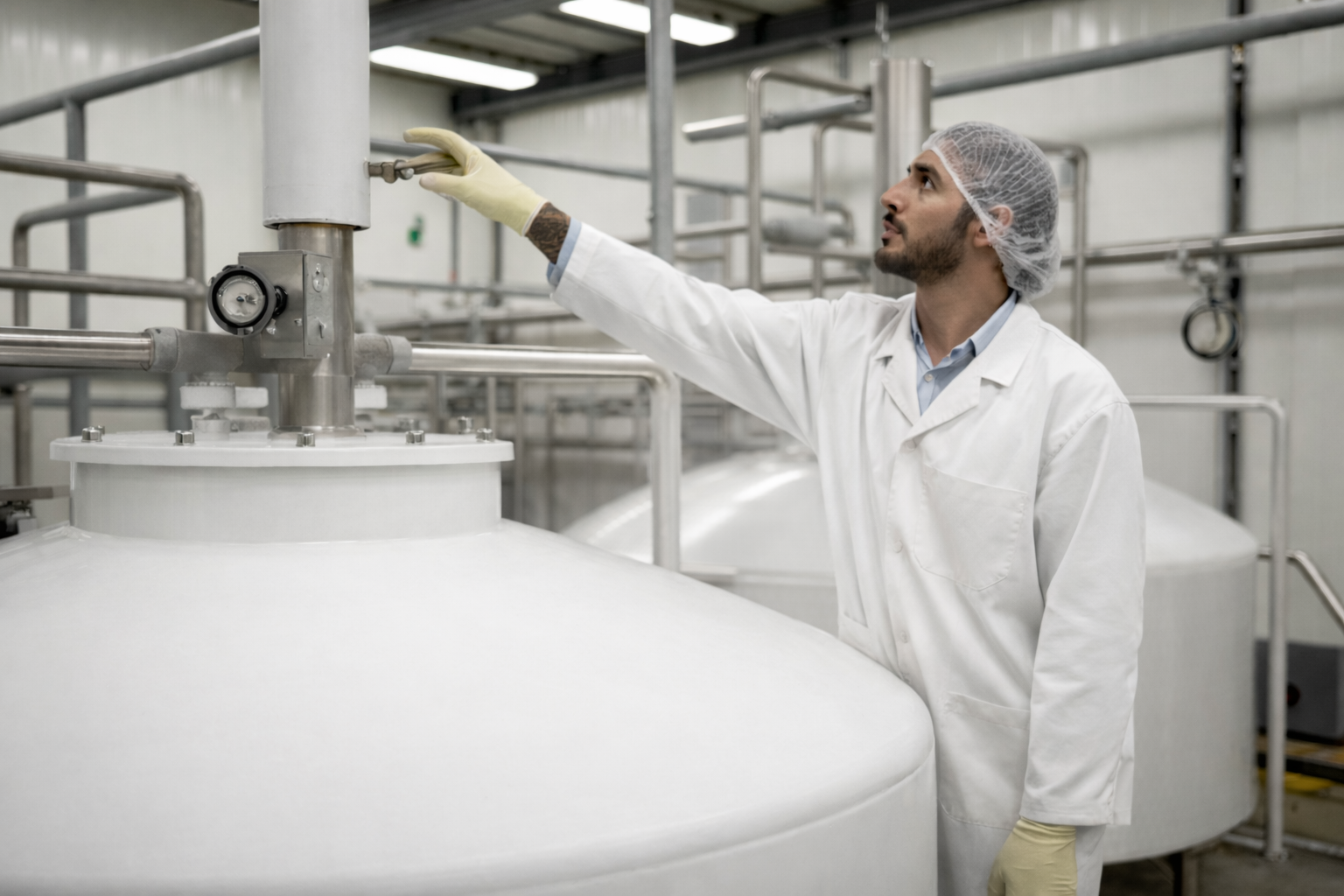
Real-world applications
This type of insulation is perfect for tanks used in:
- Milk and dairy
- Juices and purees
- Vegetable oils
- Fermented beverages (wine, beer, kombucha)
- Potable water and brine cooling systems
Both AES Tech and Technological M can be applied to new or existing equipment, without halting production—thanks to quick drying and easy use.
📞 Contact us for more information
If you’re in the food industry and need an efficient, hygienic, and long-lasting solution for thermal insulation of tanks in food sector, get in touch:
📹 Follow our facebook for video, case history and much more!

